"Tatort: Das Verlangen": Intrigue and Murder at Munich's Residenztheater
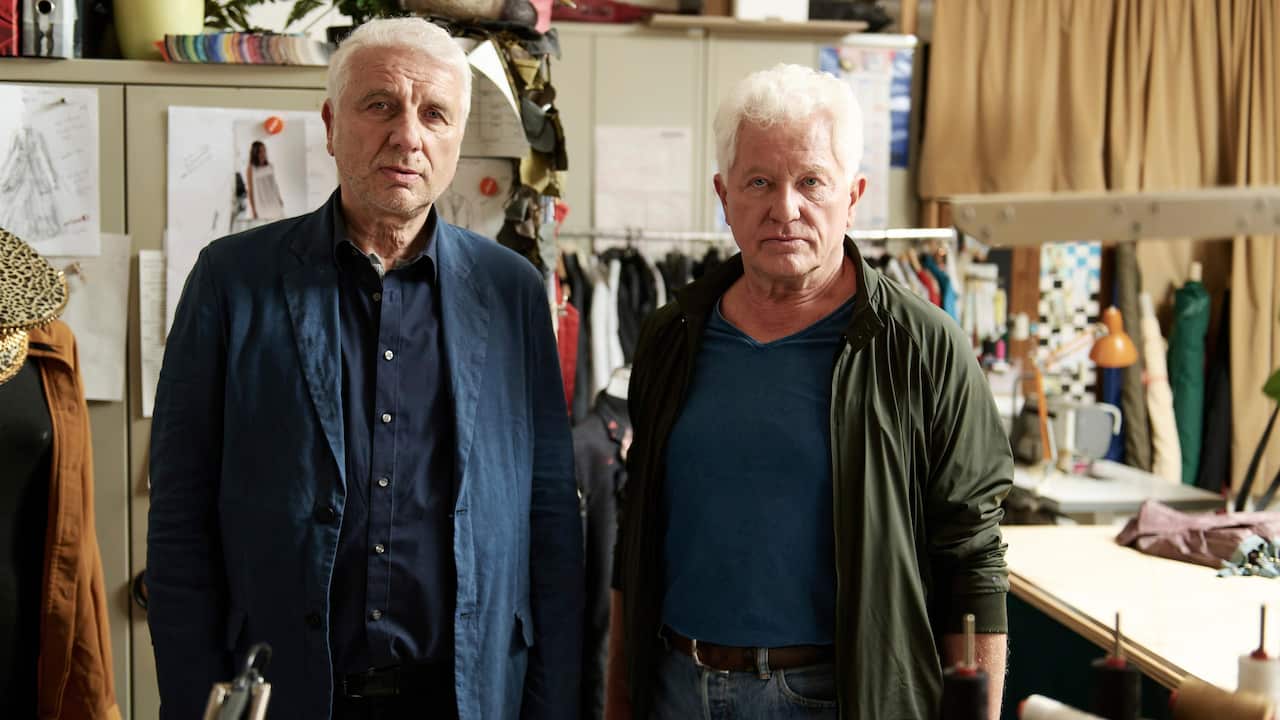
For over three decades, the Munich Tatort duo, Kriminalhauptkommissar Franz Leitmayr (Udo Wachtveitl) and Kriminalhauptkommissar Ivo Batic (Miroslav Nemec), have captivated German audiences with their unique blend of grit, wit, and unwavering dedication to justice. Their investigations have taken them from the mundane to the bizarre, across Bavaria's most picturesque landscapes and its darkest urban corners. Yet, few settings have offered quite the same potent cocktail of drama and deception as the hallowed halls of the Residenztheater, the stage for "Tatort: Das Verlangen".
This particular installment, an eagerly anticipated penultimate case for the beloved investigators, plunged viewers into a world where reality and performance blur, where passion can turn deadly, and where the stage lights illuminate not just a play, but a murder most foul. "Tatort: Das Verlangen" delivers a concentrated dose of psychological tension, leveraging its unique theatrical backdrop to explore the darker facets of human ambition and desire.
A Unique Stage for a Deadly Drama: The Residenztheater Becomes a Crime Scene
The very premise of "Tatort: Das Verlangen" is instantly compelling: a death on stage. During a performance of Anton Chekhov's iconic drama "Die Möwe" (The Seagull) at the prestigious Munich Residenztheater, actress Nora Nielsen (Giulia Goldammer) collapses and dies. The initial shock gives way to a chilling realization: this was no accident. Leitmayr and Batic quickly discover Nora succumbed to an overdose of the painkiller Tilidin. The question that haunts the production—and the investigation—is whether it was a desperate act of self-destruction or a calculated murder, concealed within the dramatic confines of a theatrical performance.
What sets "Tatort: Das Verlangen" apart is its almost exclusive reliance on the Residenztheater as its setting. Unlike many Tatort episodes that whisk viewers through various locations, this film adopts a "Kammerspiel" (chamber play) approach. The confined environment of the theater—the grand stage, the intimate dressing rooms, the labyrinthine backstage corridors, the bustling costume department—becomes a character in itself. This deliberate choice intensifies the atmosphere, creating a palpable sense of claustrophobia and magnifying the emotional stakes. Every shadow, every whispered conversation, every hurried glance takes on added significance, drawing the audience deeper into the tangled web of secrets.
The decision to film entirely within the actual Residenztheater provided Udo Wachtveitl and Miroslav Nemec with one of their most unique production experiences in their extensive careers. Having investigated cases in diverse locales such as a luxury hotel in the Bavarian Alps ("Tatort: Zugzwang"), a US military training ground ("Tatort: Charlie"), a serene monastery ("Tatort: Wunder gibt es immer wieder"), and even a sewer beneath Munich's main train station ("Tatort: Schau mich an"), the historic grandeur and hidden depths of the Residenztheater offered a fresh challenge and a truly immersive environment. This authenticity shines through, lending an undeniable credibility to the unfolding drama.
Unraveling Backstage Secrets: Neid, Eifersucht, und Intrigen
As Leitmayr and Batic delve deeper into the death of Nora Nielsen, they quickly realize that the drama unfolding behind the scenes of "The Seagull" might be even more intense than the one on stage. The theatrical world, often perceived as glamorous and collaborative, reveals its darker underbelly: a crucible of intense pressure, cutthroat ambition, simmering envy, and volatile personal relationships. Nora, it turns out, was not just a colleague but also at the center of a complex web of interactions.
The investigation introduces a cast of characters intimately connected to Nora and the Residenztheater, each with their own motives and secrets:
- Lara Frost (Stephanie Schönfeld), the Inspizientin: She reveals Nora had been "different" lately, often late and seemingly reluctant to perform, hinting at underlying struggles or conflicts.
- Stella Papst (Luzia Oppermann), fellow actress: She was poised to understudy Nora and even step in on the night of her death. Her ambition and the immediate opportunity Nora's demise presents make her a prime focus of suspicion.
- Freya von Kaltenberg (Anna Stieblich), the Intendantin: The theater director, pragmatic and focused on the show going on, even in the face of tragedy, underscores the immense pressure within the industry.
- Ria Jäger (Liliane Amuat), the Garderobiere: Described as Nora's close confidante, she holds potentially crucial insights into Nora's personal life and relationships, yet her testimony might reveal more about the bitter rivalries backstage.
The presence of Tilidin, a powerful painkiller, found in Nora's locker without fingerprints, further complicates the narrative. Was it planted? Was she unknowingly poisoned? The poisoned wine, a detail mentioned in some reports, suggests a calculated act during the performance itself, ingeniously using the play's props to deliver a deadly dose. This blurring of theatrical convention and criminal act is a masterstroke in "Tatort: Das Verlangen," exploring theater's dark secrets and backstage drama with chilling precision.
As the detectives peel back the layers, they uncover a world rife with jealousy, unspoken desires, clandestine affairs, and personal abysses—elements that resonate deeply with the themes of Chekhov's own "The Seagull," a play about unrequited love, artistic struggles, and the bitter sting of unfulfilled ambition. This thematic parallel elevates the episode beyond a mere whodunit, transforming it into a nuanced character study of the individuals caught in the unforgiving spotlight of the stage and the darker realities of life.
Leitmayr and Batic's Penultimate Performance: A Fitting Chapter
For Leitmayr and Batic, "Tatort: Das Verlangen" marks a significant chapter in their storied career—one of their final cases before their well-deserved retirement. This impending farewell imbues the episode with an added layer of introspection and emotional weight. Their long history together, their familiar banter, and their contrasting investigative styles are all present, but perhaps viewed through a lens of impending change.
The confined, intense environment of the Residenztheater tests their seasoned instincts in new ways. Batic, often the more impulsive and direct, and Leitmayr, the more contemplative and observant, must navigate a world built on artifice and performance. Their ability to distinguish between genuine emotion and theatrical deception is crucial. This unique challenge serves as a testament to their enduring partnership and their evolution as investigators over 34 years. It’s a fittingly complex and psychologically rich case for a duo whose careers have consistently pushed the boundaries of the German crime drama.
Why "Tatort: Das Verlangen" Resonates with Audiences
"Tatort: Das Verlangen" stands out not only for its compelling plot and stellar performances but also for its masterful blend of genre and setting. The allure of the theater as a backdrop for crime fiction is undeniable: it's a place where masks are worn, identities are assumed, and the line between truth and illusion is constantly blurred. This episode capitalizes on that inherent drama, turning the Residenztheater into a perfect crucible for a murder mystery.
Viewers are drawn in by the intricate puzzle of the crime, the psychological depth of the characters, and the ever-present tension of the "Kammerspiel" format. The episode doesn't just present a crime; it invites audiences to contemplate the human condition, the pressures of artistic life, and the devastating consequences of unchecked desires. The inclusion of Chekhov's "The Seagull" as a central motif further enriches the narrative, offering layers of literary depth that elevate the viewing experience. It's a testament to the enduring quality of the Tatort franchise and the magnetic presence of Leitmayr and Batic that even as their journey nears its end, they continue to deliver episodes that are both entertaining and profoundly thought-provoking.
In conclusion, "Tatort: Das Verlangen" is a superbly crafted crime drama that leverages its unique setting and a rich tapestry of human emotions to deliver an unforgettable viewing experience. It serves as a compelling reminder of why Leitmayr and Batic have remained at the pinnacle of German television for so long, offering a penultimate case that is as intricate and intriguing as the very art form it critiques. With its blend of suspense, character study, and theatrical flair, it remains a standout episode in the storied history of the Munich Tatort.