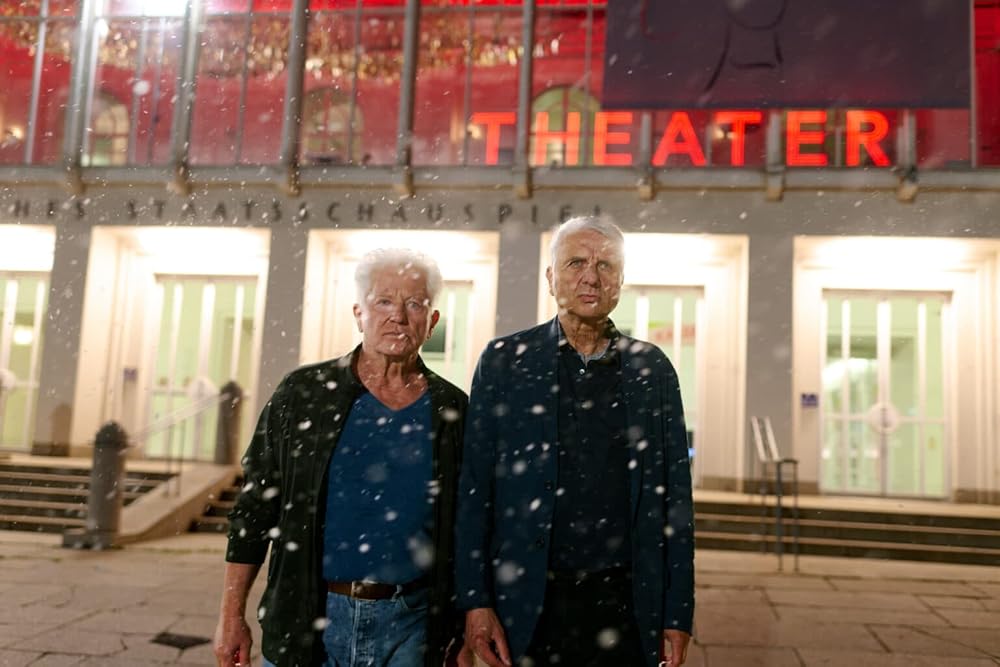
"Tatort: Das Verlangen" Delves into the Dark Heart of Theater at Munich's Residenztheater
The iconic German crime series "Tatort" has long been celebrated for its compelling narratives and diverse settings, often reflecting the unique character of the cities its investigative teams call home. In the highly anticipated episode, Tatort: Das Verlangen, viewers are transported to the prestigious Munich Residenztheater, where the lines between performance and grim reality blur. This gripping installment sees the beloved duo, Kriminalhauptkommissare Franz Leitmayr (Udo Wachtveitl) and Ivo Batic (Miroslav Nemec), navigating a world of artistic ambition, simmering rivalries, and deadly secrets, making it a pivotal chapter in their storied career, especially as it marks one of their penultimate cases.
As the curtains rise on this intense drama, a promising actress collapses dead on stage during a performance of Anton Chekhov's poignant play, "Die Möwe" (The Seagull). What initially appears to be a tragic accident soon unravels into a complex murder investigation, drawing Leitmayr and Batic deep into the intricate and often unforgiving world behind the velvet ropes. The episode promises not only a meticulously crafted mystery but also a fascinating look into the human psyche under extreme pressure, set against the opulent yet claustrophobic backdrop of one of Germany's most renowned theatrical institutions. For more on the initial setup, explore "Tatort: Das Verlangen": Intrigue and Murder at Munich's Residenztheater.
A Stage for Deception: The Residenztheater as a Character
One of the most striking elements of Tatort: Das Verlangen is its exclusive use of the Munich Residenztheater and its surrounding buildings as the primary setting. This isn't just a backdrop; the theater itself becomes a vital character, its grand halls, cramped dressing rooms, and echoing stage imbued with a sense of history and hidden stories. Filming entirely on location provides an unparalleled authenticity, immersing the audience in the unique atmosphere of the theatrical world.
The choice of such a confined, high-pressure environment is a masterstroke in crime storytelling. Known in dramatic terms as a "Kammerspiel" (chamber play), this focused setting allows for an intense exploration of character dynamics and psychological tension. With the entire investigation unfolding within the theater's walls, the usual distractions are stripped away, forcing Leitmayr and Batic—and the audience—to confront the suspects and their motives head-on. The close quarters amplify the drama, making every whisper, every glance, and every secret feel incredibly potent.
Practical Insight: In crime dramas, the setting often dictates the narrative's tone and possibilities. A confined space like a theater naturally lends itself to a "closed-circle mystery," where the perpetrator must be one of a limited number of individuals present. This heightens suspicion and allows for intricate character development, as everyone involved is scrutinised under a magnifying glass, revealing their deepest vulnerabilities and darkest desires. The grandeur and history of the Residenztheater, contrasted with the gritty reality of a murder investigation, create a powerful juxtaposition that enhances the overall viewing experience.
Behind the Curtain: Unraveling the Dark Heart of the Theater
The central tragedy of Tatort: Das Verlangen unfolds during a performance of "Die Möwe," when actress Nora Nielsen (Giulia Goldammer) collapses and dies on stage. The cause of death is quickly identified as an overdose of the painkiller Tilidin. The sheer quantity in her system leads Kriminalhauptkommissar Batic to conclude that this was no accident. The investigation immediately shifts from a possible medical emergency to a potential murder or forced suicide, plunging the detectives into a world where reality and role-playing are dangerously intertwined.
As Leitmayr and Batic delve deeper, they uncover a complex web of relationships and resentments. Nora's behavior leading up to her death was erratic; she was often late and initially reluctant to perform on the fateful night. Her understudy, Stella Papst (Luzia Oppermann), was even dressed and ready to step in, only for Nora to appear at the last moment. The discovery of a Tilidin vial in Nora's locker, devoid of fingerprints, immediately raises suspicions of foul play. Was it planted? Was Nora self-medicating to an extreme, or was she deliberately poisoned?
The commissioners seek answers from key figures within the theater company. The stage manager, Lara Frost (Stephanie Schönfeld), describes Nora as "different" in recent weeks. Intendantin Freya von Kaltenberg (Anna Stieblich) makes the chilling decision to continue with the play the very next night, demonstrating the immense pressure to perform, even in the face of tragedy. Perhaps most crucially, Ria Jäger (Liliane Amuat), the wardrobe mistress and a close confidante of Nora, becomes a central figure. Through her, Leitmayr and Batic begin to peel back the layers of jealousy, passionate affairs, professional envy, and personal despair that festered behind the glittering facade of the Residenztheater. This backstage drama, rife with ambition and betrayal, forms the true heart of the investigation, illuminating the sacrifices and often brutal competition inherent in the artistic world.
Leitmayr and Batic's Penultimate Case: A Legacy in Focus
For fans of the Munich "Tatort" team, Tatort: Das Verlangen carries an additional layer of significance: it is one of the penultimate cases for Franz Leitmayr and Ivo Batic before their anticipated retirement. Having graced German television screens for over 34 years, Udo Wachtveitl and Miroslav Nemec have become institutions themselves, their on-screen chemistry and distinct investigative styles a beloved staple of Sunday night viewing. Their long and varied career has seen them tackle everything from luxuriously isolated hotels to military training grounds, remote monasteries, and even the labyrinthine sewers beneath Munich's main station. This rich history adds a poignant depth to their current investigation.
As they approach the end of their tenure, each new case takes on a retrospective quality. Here, their seasoned experience is evident as they navigate the subtle nuances of human behavior in a highly performative environment. Leitmayr's often melancholic introspection and Batic's grounded pragmatism are perfectly suited to unraveling the complex emotional landscape of the Residenztheater. Their ability to empathize with the struggles of the artists, while remaining steadfast in their pursuit of justice, highlights the enduring appeal of their partnership. The case forces them to confront the deceptive nature of appearances, a theme that resonates deeply with the theatrical setting and their own careers spent unmasking truths hidden by facades. For more insights into this significant phase of their careers, read Leitmayr & Batic's Penultimate Case: Death on Stage in "Das Verlangen".
The Craft of Storytelling: Why "Tatort: Das Verlangen" Resonates
Directed by Andreas Kleinert and penned by Norbert Baumgarten and Holger Joos, Tatort: Das Verlangen is more than just a crime story; it's a meticulously crafted exploration of human desires and failings. The decision to ground the narrative entirely within the theater's ecosystem intensifies the feeling of a self-contained world, where rules are different and passions run high. The script expertly blurs the lines between a performer's stage persona and their true self, forcing both the characters and the audience to question what is real and what is merely an act.
The episode’s strength lies in its concentrated focus, creating a palpable sense of unease and intrigue. The claustrophobic intimacy of the setting, coupled with the psychological depth of the characters, draws viewers into a compelling mystery. It's a testament to the showrunners' ability to innovate within a familiar format, delivering an episode that feels fresh and urgent, even for a team nearing its curtain call. The themes of ambition, sacrifice, and the relentless pursuit of artistic perfection—or simply survival—are universal, making the drama resonate far beyond the specific confines of the Munich Residenztheater.
Actionable Advice: For aspiring writers and filmmakers, "Tatort: Das Verlangen" offers a masterclass in utilizing a specific location to its fullest narrative potential. Instead of merely being a backdrop, the Residenztheater actively shapes the plot, character interactions, and thematic depth. Consider how your chosen setting can become an extension of your characters' psychology or a symbolic representation of the story's core conflicts. This approach can elevate a simple plot into a rich, immersive experience.
In conclusion, Tatort: Das Verlangen stands out as a compelling and atmospheric installment in the venerable "Tatort" series. It brilliantly leverages the unique world of the theater to weave a complex tale of murder, secrets, and intense human drama. As Leitmayr and Batic near the end of their illustrious careers, this episode serves as a powerful reminder of their enduring appeal and their ability to navigate even the most intricate cases. With its immersive setting, psychological depth, and a narrative that blurs the boundaries between performance and reality, "Tatort: Das Verlangen" is a must-watch for fans of gripping crime fiction and poignant human stories alike.